


Root canal treatment is often feared by many, primarily because of common misconceptions. However, root canal procedures are routine dental treatments that aim to save a tooth from extraction and alleviate pain caused by infection or damage to the tooth pulp.
At SG Jain Dental Clinic, we have saved many infected teeth by offering root canal treatment in RS Puram, and we’ve seen firsthand how life-changing this procedure can be for patients experiencing severe tooth pain.
In this comprehensive guide, we’ll take you through the step-by-step process of a root canal, help you understand the procedure, and clarify any concerns you may have.
What Is Root Canal Treatment?
A root canal is a procedure designed to treat infection at the center of a tooth (the pulp). The pulp contains nerves, blood vessels, and connective tissue. When this area becomes infected due to deep decay, cracks, or injury, it can cause severe pain and swelling. If left untreated, the infection can spread to the surrounding bone and tissue, resulting in the loss of the tooth.
Root canal treatment removes the infected pulp, cleans the inside of the tooth, and seals it to prevent future infections. This procedure helps save the tooth, eliminate pain, and restore normal function.
Step 1: Diagnosis and Initial Consultation
The first step in the root canal procedure is a thorough diagnosis. When you visit SG Jain Dental Clinic, our experienced dentist in RS Puram will begin by performing an examination of your tooth, asking about your symptoms, and reviewing your medical history.
The dentist will look for signs of infection, such as pain or swelling, and may take X-rays to assess the extent of the infection and determine whether the tooth is viable for a root canal. The X-ray helps us see the size of the infection, the condition of the tooth, and the surrounding bone structure. Once the diagnosis is confirmed, we can move forward with the treatment plan.
Step 2: Numbing the Area (Local Anesthesia)
One of the main concerns patients have about the root canal procedure is the pain, but with modern anesthesia techniques, this is usually not a problem. Before beginning the root canal, the dentist will apply local anesthesia to numb the area around the infected tooth.
This ensures that the entire procedure is pain-free, and you won’t feel any discomfort during the treatment. Most patients report feeling only slight pressure during the procedure, with no pain.
Step 3: Access Opening and Pulp Removal
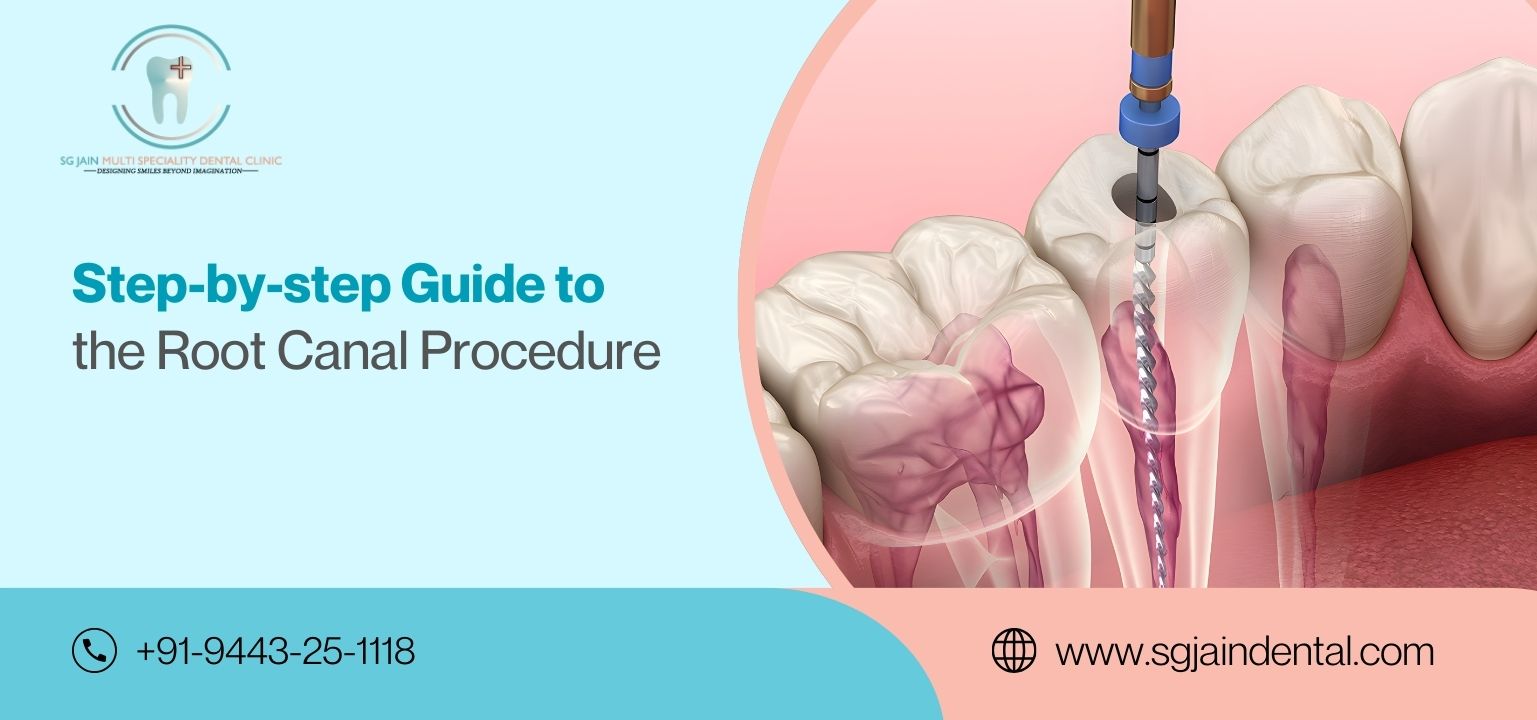
Once the area is fully numbed, the dentist will create a small access opening in the top of your tooth to reach the infected pulp. Using specialized dental tools, the dentist will carefully remove the damaged or infected pulp, cleaning out the inside of the tooth and the root canals.
The dentist may also remove decayed tissue and bacteria during this step to ensure that all infection is cleared out.
Step 4: Shaping and Cleaning the Canals
After removing the pulp, the next step is to shape and clean the root canals. This is done using small, flexible instruments that allow the dentist to thoroughly clean the inside of the tooth.
The purpose of this step is to:
- Remove any remaining bacteria or infected tissue
- Smooth the canals to ensure that the filling material can seal the space properly
- Disinfect the area to prevent further infection
This step is essential to ensure that the tooth is completely cleaned and ready for sealing.
Step 5: Filling the Root Canals
Once the canals are cleaned and shaped, the next step is to fill them with a biocompatible material, usually gutta-percha. This material helps seal the canal and prevents bacteria from re-entering the tooth.
The root canals are filled carefully, and the access opening is sealed. In some cases, your dentist may place a temporary filling and ask you to return for a follow-up visit to complete the treatment.
Step 6: Placing a Crown or Filling
After the root canal treatment, the tooth is typically weakened and requires additional protection. The dentist will place a dental crown (or sometimes a filling) over the treated tooth to restore its shape, strength, and function.
A crown is often recommended for molars or teeth that have extensive decay or damage. It helps protect the tooth and prevents it from breaking while chewing. The crown is custom-made to match the natural shape and color of your tooth, so it blends seamlessly with your smile.
Step 7: Follow-up Appointment and Healing
After your root canal treatment is completed, you may need a follow-up appointment to ensure the healing process is going smoothly. The dentist will monitor the treated tooth and make sure there are no complications or infections. Most patients feel relief from pain soon after the procedure, but some mild discomfort or sensitivity may persist for a few days, which can be managed with prescribed medications.
If a crown is placed, your dentist will schedule a second visit to ensure that the crown fits properly and make any necessary adjustments.
Root Canal Pain: What to Expect
One of the most common questions patients have is about root canal pain. Contrary to popular belief, root canal treatment is typically not painful. The most significant pain is usually from the infection before the treatment begins.
Once the infected pulp is removed, most patients experience significant pain relief. After the procedure, you may experience some tenderness, but this should subside within a few days. Any discomfort can generally be controlled with prescribed pain medications, and your dentist will provide specific instructions for aftercare.
Cost of Root Canal Treatment
The cost of root canal treatment varies depending on the type of tooth (front or molar), the complexity of the procedure, and the need for a crown. On average, root canal treatment in RS Puram can range between ₹3,000 and ₹12,000 per tooth, with the cost of crowns adding to the final price.
At SG Jain Dental Clinic, we offer transparent pricing and will provide you with a detailed treatment estimate before proceeding. We also offer flexible payment options to make your dental treatment affordable.
Why Choose SG Jain Dental Clinic for Your Root Canal Treatment?
At SG Jain Dental Clinic, we specialize in providing high-quality, painless root canal procedures. Here’s why you should choose us for your root canal treatment in RS Puram:
- Experienced Dentists: Our team is highly skilled in performing root canal procedures with precision and care.
- Technology: We use the latest technology to ensure that your treatment is as quick, effective, and comfortable as possible.
- Patient Comfort: We prioritize your comfort throughout the procedure, offering sedation options and a relaxing environment.
- Affordable Care: We offer cost-effective treatments and payment options to make your dental care affordable.
Don’t Delay – Get Your Root Canal Today
If you’re experiencing severe tooth pain or suspect that you need a root canal, don’t wait until the problem worsens. Root canal treatment is a safe and effective way to save your tooth and eliminate pain. The sooner you seek treatment, the less likely you’ll need more invasive procedures like tooth extraction.
Visit SG Jain Dental Clinic in RS Puram for a consultation. Our experienced team is here to provide you with the best possible care, ensuring your smile stays healthy and pain-free for years to come!
Visit:
Name: S.G Jain Multispeciality Dental Clinic and Implant center
Address: Ground Floor, 04, Devanga High School Rd, opp. to canara bank, Sukrawar Pettai, R.S. Puram, Coimbatore, Tamil Nadu 641002
Phone: 0422 450 8118
All Blog
- Difference Between Pulpectomy and Root Canal Treatment
- 5 Common Questions to Ask a Gum Specialist About Gum Disease
- How to Fix Loose Teeth in Adults
- Can You Eat and Drink with Invisalign? Dos and Don’ts for Patients
- Step-By-Step Guide To The Root Canal Procedure
- Invisalign vs. Braces: Which Is Better?
- Dental Implant vs Bridge Treatment: What Works Best for Missing Teeth?